
書籍刊行物
- 川畑秀明 (2004). 生まれたときの視力,生まれたときにある力,赤ちゃんの認識する世界(第1章7~9節) 無藤隆・岡本祐子・大坪治彦(編) 『よくわかる発達心理学』 ミネルヴァ書房 14-19.
- 川畑秀明 (2005). 『やわらかい「わたし」のつくりかた』 柏書房
- 川畑秀明 (2008). 脳はなぜ美に魅せられるのか 小泉英明(編) 『恋う・癒す・究める—脳科学と芸術』 工作舎 71-84.
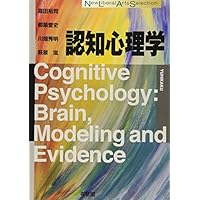
- 箱田裕司・都築学・川畑秀明・萩原滋 (2010). 『認知心理学』 有斐閣
- Matsumoto, N. & Kawabata, H. (2010). A cognitive approach to variety in the facial and bodily features of prehistoric Japanese figurines. In D. Gheorghiu & A. Cyphers (Eds.), Anthropomorphic and zoomorphic miniature figures in Eurasia, Africa and Meso-America: Morphology, materiality, technology, function and context. (pp. 91-98). Oxford, UK: BAR Publisher.
- 川畑秀明 (2011). 美の知覚 北岡明佳(編著) 『知覚心理学』 ミネルヴァ書房 272-290.
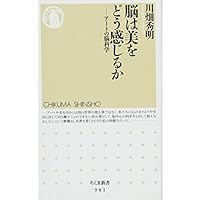
- 川畑秀明 (2012). 『脳は美をどう感じるか–アートの脳科学』 筑摩書房.
- 川畑秀明 (2013). 視覚芸術の神経美学 苧阪直行(編著) 『美しさと共感を生む脳』 新曜社 1-25.
- 川畑秀明 (2014). 知性と感性の脳科学的基盤 行場次朗・箱田裕司(編著) 『新・知性と感性の心理—認知心理学最前線』 福村出版 237-250.
- Spee, B., Ishizu, T., Leder, H., Mikuni, J., Kawabata, H., & Pelowski, M. (2018). A theoretical consideration of pharmacological approaches to causative brain study in aesthetics and art. (Chapter 16) Progress in Brain Research, 237, 343-372.
- 川畑秀明・森悦朗(編著)(2018).『情動と言語・芸術』朝倉書店
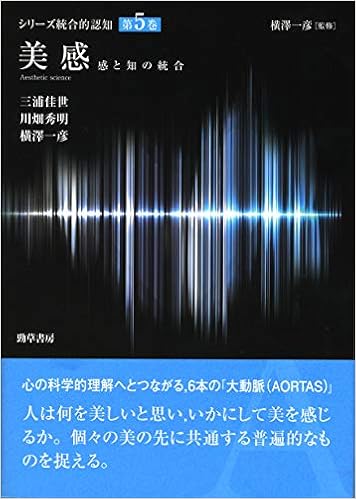
- 三浦佳世・川畑秀明・横澤一彦 (2018). 『美感』勁草書房
- 川畑秀明 (2019). 「脳活動からみる美と醜」(I-34) pp.68-69., 「消費者の脳反応から見る魅力」(I-35) pp.70-71. 三浦佳世・河原純一郞(共著)『美しさと魅力の心理』ミネルヴァ書房.
- 川畑秀明(2022). 形/かたちに関する神経美学的試論:内部モデルとしての美的表現をてがかりとして. 慶應義塾大学アート・センターBOOKLET, 29, 122-132.
- 川畑秀明 (2024). 「脳」(第2章の項目). 宮地良樹・宮田成章・山田秀和(編)『アンチエイジングとスキンケア(最新美容皮膚科学大系 第3巻)』中山書房. pp.67-73.

論文(主要なもののみ)
- Kawabata, H., Gyoba, J., Inoue, H., & Ohtsubo, H. (1999). Visual completion of partly occluded grating in infants under 1 month old of age. Vision Research, 39, 3586-3591.
- Kitaoka, A., Gyoba, J., & Kawabata, H. (1999). Photopic visual phantom illusion: Its common and unique characteristics as a completion effect. Perception, 28, 825-834.
- 川畑秀明 (2001). 視覚的補完の発達過程とその機能特性 博士学位請求論文 九州大学 78.
- Kawabata, H., Gyoba, J., Inoue, H., & Ohtsubo, H. (2001). Connectivity perception of partly occluded gratings in 4-month-old infants. Perception, 30, 867-874.
- Kitaoka, A., Gyoba, J., Kawabata, H., & Sakurai, K. (2001). Perceptual continuation and depth in visual phantoms can be explained by perceptual transparency. Perception, 30, 959-968.
- Kitaoka, A., Gyoba, J., Kawabata, H., & Sakurai, K. (2001). Two competitive mechanisms underlying neon color spreading, visual phantoms & grating induction. Vision Research, 41, 2347-2354.
- Kitaoka, A., Gyoba, J., Sakurai, K., & Kawabata, H. (2001). Similarity between Petter’s effect and visual phantoms. Perception, 30, 519-522.
- Kawabata, H., & Zeki, S. (2004). Neural correlates of beauty. Journal of Neurophysiology, 91, 1699-1705.
- 鈴木美穂・行場次朗・川畑秀明・山口浩・小松紘 (2006). モダリティ・ディファレンシャル法による形容詞対の感覚関連性の分析,心理学研究, 77, 464-470.
- Kawabata, H., & Zeki, S. (2008). The neural correlates of desire. PLoS ONE, 3 (8), e3027 (1-9).
- Nakamizo, S., Kawabata, H., & Ono, H. (2008). Misconvergence to the stimulus plane causes apparent displacement of the stimulus elements seen monocularly. Japanese Psychological Research, 50, 49-62.
- Kawabata, H., & Gyoba, J. (2011). Infants’ perception of concavity and convexity of shaded objects. Japanese Psychological Research, 53, 312-318.
- 関口達彦・川畑秀明 (2011). 脳活動の多変量パタン解析を用いた腕時計のデザイン評価 電子情報通信学会論文誌D, 94, 1017-1024.
- Yamamoto, K., & Kawabata, H. (2011). Temporal recalibration in vocalization induced by adaptation of delayed auditory feedback. PLoS ONE, 6(12), e29414 (1-8).
- Kawachi, Y., Kawabata, H., Kitamura, M., Shibata, M., & Gyoba, J. (2011). Topographic distribution of brain activities corresponding to psychological structures underlying affective meanings: An fMRI study. Japanese Psychological Research, 53, 361-371.
- Eto, K., Watanabe, S., & Kawabata, H. (2012). Economic profits enhance trust, perceived integrity and memory of fairness in interpersonal judgment. PLoS ONE, 7(12), e51484 (1-8).
- 川畑秀明 (2013). 行動と脳と芸術をつなげる:現状とその課題 行動科学, 51, 163-169.
- Nakamura, K., & Kawabata, H. (2013). I choose, therefore I like: Preference for faces induced by arbitrary choice. PLoS ONE, 8(8), e72071 (1-8).
- Wen, W., & Kawabata, H. (2013). The best route is not always the easiest one: Spatial references in heuristics of route choice. Psychology, 4, 704-710.
- Nakamura, K., & Kawabata, H. (2014). Attractive faces temporally modulate visual attention. Frontiers in Psychology, 5, Article 620 (1-7).
- Tachibana, R., & Kawabata, H. (2014). The effects of social misdirection on magic tricks: How deceived and undeceived groups differ. i-Perception, 5, 143-146.
- Yamamoto, K., & Kawabata, H. (2014). Adaptation to delayed auditory feedback induces the temporal recalibration effect in both speech perception and production. Experimental Brain Research, 232, 3707-3718.
- Wen, W., & Kawabata, H. (2014). Why am I not photogenic? Differences in face memory for the self and others. i-Perception, 5, 176-187.
- Matsui, H., & Kawabata, H. (2015). Scene recognition but not spatial judgments occur by combining experienced viewpoints. The Japanese Journal of Psychonomic Science, 34, 101-111.
- Nakamura, K., & Kawabata, H. (2015). Transcranial direct current stimulation over the medial orbitofrontal cortex–the left primary motor cortex (mOFC-lPMC) network affects subjective beauty but not ugliness. Frontiers in Human Neuroscience, 9, Article 654 (1-8).
- Arai, S., & Kawabata, H. (2016). Appreciation contexts modulate aesthetic evaluation. Art & Perception, 4, 225-239.
- 中村航洋・川畑秀明 (2016). 脳から美を測る,脳から美を操る:美の脳内表現の精神生理学 生理心理学と精神生理学, 34, 9-26.
- Masuda, S., Sakagami, T., Kawabata, H., Kijima, N., & Hoshino, T. (2017). Respondents with low motivation tend to choose middle category: survey questions on happiness in Japan. Behaviormetrika (printed online, 1-13).
- Nakamura, K. Arai, S., & Kawabata, H. (2017). Prioritized identification of attractive and romantic partner faces in rapid serial visual presentation. Archives of Sexual Behavior, 46, 2327-2338.
- Nakamura, K., & Kawabata, H. (2017). Mediating role of explicit memory of another person’s choice in social influences on preference. Japanese Psychological Research, 59, 1-13.
- Matsui, H., Ryu, M., & Kawabata, H. (2017). Visual Feedback of Target Position Affects Accuracy of Sequential Movements at Even Spaces. Journal of motor behavior (printed online, 1-8).
- Wen, W., & Kawabata, H. (2018). Impact of Navon-induced Global and Local Processing Biases on the Acquisition of Spatial Knowledge. Sage Open (printed online, 1-9).
- Specker, E., Leder, H., Rosenberg, R., Hegelmaier, L. M., Brinkmann, H., Mikuni, J., & Kawabata, H. (2018). The universal and automatic association between brightness and positivity, Acta Psychologica, 186, 47-53.
- Nakamura, K. & Kawabata, H. (2018). Preferential access to awareness of attractive faces in a breaking continuous flash suppression paradigm. Consciousness and Cognition, 65, 71-82.
- Tanaka, T., & Kawabata, H. (2019). Sense of agency is modulated by interactions between action choice, outcome valence, and predictability. Current Psychology, Online 1-12.
- Tanaka, T., Matsumoto, T., Hayashi, S. Takagi, S., & Kawabata, H. (2019). What Makes Action and Outcome Temporally Close to Each Other: A Systematic Review and Meta-Analysis of Temporal Binding, Timing & Time Perception. 7, 189-218.
- 田中拓海・川畑秀明 (2019). 行為結果の予測一致性によるコントロール感の受容と報酬処理への影響. 人間と社会の探究——慶應義塾大学大学院社会学研究科紀要, 87, 91-101.
- 三國珠杏・川畑秀明 (2019). 芸術作品に関する情報が鑑賞者の行動と評価に与える影響. 人間と社会の探究——慶應義塾大学大学院社会学研究科紀要, 88, 37-51.
- Kurashige, H., Kaneko, J., Yamashita, Y., Osu, R., Otaka, Y., Hanakawa, T., Honda, M., & Kawabata, H. (2020). Revealing Relationships among Cognitive Functions using Functional Connectivity and a Large-scale Meta-Analysis Database. Frontiers in Human Neuroscience, 13, 457.
- Tanaka, T., & Kawabata, H. (2020). Interface predictability changes betting behavior in computerized gambling. Computers in Human Behavior, 110, 106387.
- Nakamura, K., Ohta, A., Uesaki, S., Maeda, M., & Kawabata, H. (2020). Geometric morphometric analysis of Japanese female facial shape in relation to psychological impression space. Heliyon, 6(10), e05148.
- Tanaka, T., & Kawabata, H. (2021). Sense of agency is modulated by interactions between action choice, outcome valence, and predictability. Current Psychology, 40(4), 1795-1806.
- Mori, K., Tanaka, A., Kawabata, H., & Arao, H. (2021). The N400 and late occipital positivity in processing dynamic facial expressions with natural emotional voice. NeuroReport, 32(10), 858-863.
- Mikuni, J., Specker, E., Pelowski, M., Leder, H., Kawabata, H. (2022). Is there a general “art fatigue” effect? A cross-paradigm, cross-cultural study of repeated art viewing in the laboratory. Psychology of Aesthetics, Creativity, and Arts. 16, 343-360. Doi:10.1037/aca0000396
- Kawabata, H., Shiba, R., Matsumoto, N., Matsugi, T., Janik, L. (2021). How modern humans see ancient figure faces: the differential impressions and perceived expressions from clay figure faces from prehistoric and protohistoric Japan, Psychologia, 63, 116-136.
- Zhou, Y., & Kawabata, H. (2022). You and your cats appear more attractive in a crowd of cats: The cheerleader effect in human/animal facial attractiveness. Current Psychology, 42:29499–29509. doi.org/10.1007/s12144-022-03984-1
- Brinkmann, H., Mikuni, J., Dare, Z., Kawabata, H., Leder, H., & Rosenberg, R. (2023). Cultural Diversity in Oculometric Parameters when Viewing Art and Non-Art. Psychology of Aesthetics, Creativity, and Arts. Online First Publication. https://dx.doi.org/10.1037/aca0000563
- Tsuda, H., & Kawabata, H.. (2023). materialmodifier: An R package of photo editing effects for material perception research. Behavior Research Methods. Online Print.
- Zhou, Y., & Kawabata, H. (2023). Eyes can tell: Assessment of implicit attitudes toward AI art. i-Perception, 14(5), 20416695231209846.
- Sano, T., & Kawabata, H. (2023). A computational approach to investigating facial attractiveness factors using geometric morphometric analysis and deep learning. Scientific reports, 13(1), 19797. https://www.nature.com/articles/s41598-023-47084-x
- Zhou, Y., & Kawabata, H. (2023). Fluent Processing Amplifies Affective Judgments. Experimental Psychology, 70(5), 285–293.
- 三好香次, 川畑秀明 (2024). ダンスの美的評価に及ぼす鑑賞者の熟達性の影響 ——総練習時間および身体的再現可能性認知に着目して——. 日本感性工学会論文誌, TJSKE-D. オンライン版.
- Yang, S., & Kawabata, H. (2024). How Behaviors Can Be Formed during Free Art Appreciation: Effects of Canvas Size on Viewing Distance and Gaze Distribution during Free Viewing of Paintings. International Journal of Affective Engineering, 23(2), 183-193.
- Achour-Benallegue, A., Pelletier, J., Kaminski, G., & Kawabata, H. (2024). Facial icons as indexes of emotions and intentions. Frontiers in Psychology, 15, 1356237.
- Leder, H., Mikuni, J., Kawabata, H., & Rosenberg, R. (2024). Symmetry as an inter-cultural feature constituting beauty: Implicit and explicit beauty evaluation of visual symmetry in Japan. Empirical Studies of the Arts, 42(2), 519-535.
- Mikuni, J., Spee, B. T., Forlani, G., Leder, H., Scharnowski, F., Nakamura, K., … & Steyrl, D. (2024). Cross-cultural comparison of beauty judgments in visual art using machine learning analysis of art attribute predictors among Japanese and German speakers. Scientific Reports, 14(1), 15948.
- Sano, T., & Kawabata, H. (2024). The relationships among facial features and impressions: statistical causal discovery using LiNGAM. Current Psychology, 1-11. https://doi.org/10.1007/s12144-024-06925-2
- Zhou, Y., & Kawabata, H. (2024). The “Past” is Sweet: An Investigation into the Aesthetic and Affective Experience of Paintings. Empirical Studies of the Arts, 02762374241300029. https://doi.org/10.1177/02762374241300029
- Zhou, Y., Nishimura, M., & Kawabata, H. (2025). Gaze behavior when looking at paintings may predict autistic traits. PsyCh Journal, 14(2),267-276. https://doi.org/10.1002/pchj.810
-
Sano, T., Gondo, M., Osaka, Y., & Kawabata, H. (2025). The effects of image resolution and exposure duration on facial beauty and ugliness evaluations. Acta Psychologica, 252, 104635.
招待講演・シンポジウム等の実績
- 川畑秀明 (2004). 美と魅力の認知神経科学:神経美学(Neuroaesthetics) 筑波大学21世紀COEプログラム「こころを解明する感性科学の推進」シンポジウム『感性を知る・測る・探る』(筑波大学,茨城県つくば市)(招待講演)
- 川畑秀明 (2005). 未完の美とその脳内基盤 日本認知心理学会第3回大会シンポジウム「画像認知の新展開:知覚的完成化と視覚美」(金沢大学,石川県金沢市)
- 川畑秀明 (2005). 知能について再考する:脳科学の立場から,九州心理学会第66回大会シンポジウム「知能について再考する」(鹿児島大学,鹿児島県鹿児島市)
- 川畑秀明 (2005). 神経美学の射程:美・愛・快楽の脳内メカニズム 慶応義塾大学21世紀COEプログラム「心の解明に向けての統合的方法論構築」シンポジウム『実験美学の展開』(慶應義塾大学,東京都港区)(招待講演)
- 川畑秀明 (2006). 違和感の脳内基盤 日本心理学会第70回大会シンポジウム「違和感を心理学する-対人情報処理過程における違和感とその脳内基盤-」(九州大学,福岡県福岡市)
- 川畑秀明 (2006). 絵画認知における感性評価の脳メカニズム 認知神経科学会第11回大会シンポジウム「機能的脳画像の最新の展開」(慶應義塾大学,東京都港区)(招待講演)
- 川畑秀明 (2006). 脳と感性-感性としての愛・美・欲望の脳内メカニズム 日立中央研究所・基礎研究所合同研究会(日立株式会社中央研究所,東京都国分寺市)(招待講演)
- Kawabata, H. (2007). Neural correlates of beauty and desire, Symposium on neuroimaging of beauty and pleasure. Neuro2007(日本神経科学会・日本神経化学会・日本神経回路学会合同大会)(パシフィコ横浜,神奈川県横浜市)(招待講演)
- 川畑秀明 (2007). 脳から見た美 日本心理学会主催公開シンポジウム「『美』への挑戦 ~心理学から~」(科学技術館,東京都千代田区)(招待講演)
- 川畑秀明 (2009). 価値表象を実現する前頭葉報酬系の機能的役割:神経美学からの視点 生理学研究所研究会「感覚刺激・薬物による快・不快情動生成機構とその破綻」(自然科学研究機構生理学研究所,愛知県岡崎市)(招待講演)
- 川畑秀明 (2010). 感性の脳科学: 脳が生み出す美と創造力 ESMODファッションサイエンスセミナー(エス・モード学園,東京都渋谷区)(招待講演)
- 川畑秀明 (2010). 美の認知 日本認知神経科学会第15回大会シンポジウム「視覚認知とその障害」(松山テルサ,島根県松江市)(招待講演)
- 川畑秀明 (2010). 脳から見たアート,アートから見た脳 東北大学GCOE脳カフェ(せんだいメディアテーク,宮城県仙台市)(招待講演)
- 川畑秀明 (2010). 美は脳科学で理解できるか?:神経美学の可能性 脳神経倫理研究会シンポジウム「神経科学の『実力』と『衝撃力』―脳科学神話の検討」(東京大学,東京都目黒区)(招待講演)
- Kawabata, H. (2010). Neural correlates of the aesthetic response investigated by a functional brain imaging. International symposium on “Experimental aesthetics and vision research” (立命館大学,京都府京都市)(招待講演)
- Kawabata, H. (2012). Neural correlates of aesthetic feelings and Appreciation of the visual arts. 1st International Symposium on fMRI at Tokyo Tech.(東京工業大学,東京都大田区)(招待講演)
- 川畑秀明 (2012). アートの表現と脳の役割:アートはどのようにコミュニケーションを生むのか 科学コミュニケーション研究会年次大会(東京大学,東京都文京区)(招待講演)
- 川畑秀明 (2012). 脳研究と芸術 日本認知心理学会第10回大会学会特別シンポジウム「認知心理学の新機軸」(岡山大学,岡山県岡山市)(招待講演)
- 川畑秀明 (2012). 脳と行動と芸術をつなげる−現状とその課題 日本行動科学会大会シンポジウム「日本におけるこれからの行動科学:求められる学際性と国際性」(東邦大学,東京都大田区)(招待講演)
- 川畑秀明(2013). 脳は美をいかに感じるか 日本美容外科学会第36回総会特別講演(東京国際フォーラム,東京都中央区)(招待講演)
- 川畑秀明(2013). アートと社会と脳 文部科学省「社会システム改革と研究開発の一体的推進・地域再生人材創出拠点の形成」シンポジウム『水産・海洋都市の存在論』(あうん堂ホール,北海道函館市)(招待講演)
- 川畑秀明(2013). 脳は美の何について語り得るか 名古屋哲学フォーラム2013(南山大学,愛知県名古屋市)(招待講演)
- 川畑秀明(2013). 美と脳 Neuro2013 市民公開講座「社会,脳,デザイン(東京大学,東京都文京区)(招待講演)
- 川畑秀明(2013). 美と選好の認知脳メカニズム 犬山比較社会科学認知シンポジウム(京都大学霊長類研究所,愛知県犬山市)
- 川畑秀明 (2013). 美的判断の脳内過程における感覚情報処理の相互作用 日本心理学会第 77 回大会シンポジウム「実験美学の新展開:心理学・神経科学・計算論」(札幌コンベンションセンター,北海道札幌市)
- 川畑秀明(2014). 主観性を操作する脳神経的技術 第15回計測自動制御学会システムインテグレーション部門講演会(東京ビッグサイト,東京都江東区)(招待講演)
- 川畑秀明(2014). 脳科学とクリエイティビティ —日本人のものづくり ジャパンクリエイティブ・トークセッション「死なないものづくり」(西武渋谷,東京都渋谷区)(招待講演)
- 川畑秀明 (2014). 美と魅力の脳神経過程 日本抗加齢医学会第14回大会シンポジウム「なぜ若く見せたいのか」(大阪国際会議場,大阪府大阪市)(招待講演)
- 川畑秀明 (2014). 感性脳:報酬系が関与する人間性の基盤となる心と脳の基礎 第26回ヒューマンストレス産業技術研究会講演会「脳と報酬系:脳神経科学における最近の取り組み」(産業技術総合研究所関西センター,大阪府池田市)(招待講演)
- Kawabata, H. (2015). Transcranial Direct Current Stimulation (tDCS) Shapes Subjective Experience of Beauty and Aesthetic Preference. The 12th International Congress of Physiological Anthropology.(東京ベイ幕張ホール,千葉県千葉市)(招待講演)
- 川畑秀明 (2015). 美術館がもっと楽しくなる心理学 —感覚と脳が作り出す価値体験 日本心理学会公開シンポジウム「五感の不思議を探る—見る・聴く・触れるを科学する」(慶應義塾大学,東京都港区,および東北大学,宮城県仙台市)(招待講演)
- 川畑秀明 (2015). 魅力認知の顕在・潜在意識過程と注意への影響 生理学研究所研究会「視知覚の現象・機能・メカニズム -生理学的,心理物理学的,計算論的アプローチ」(自然科学研究機構岡崎コンファレンスセンター,愛知県岡崎市)
- 川畑秀明 (2016). 美と魅力の認知とその多感覚的研究の現状と展望 花王感性科学研究会第1回シンポジウム(花王株式会社,神奈川県小田原市)(招待講演)
- 川畑秀明 (2016). 美術鑑賞と脳の働き:美的経験の成り立ちを脳科学と心理学から探る フィンランド国立アテネウム美術館×DNPシンポジウム「ミュージアムの幸せ効果−美術鑑賞の可能性から考える」(大日本印刷,東京都品川区)(招待講演)
- 川畑秀明 (2016). 美をめぐる空間と時間 Aging Style×GOOD DESIGNシンポジウム「五感と空間-美の認知とデザイン」(GOOD DESIGN丸の内ギャラリー,東京都千代田区)(招待講演)
- 川畑秀明 (2017). 「見た目」はどのように重要か?心理学・認知科学の視点から 日本抗加齢医学会第17回大会(東京国際フォーラム,東京都千代田区)(招待講演)
- 川畑秀明 (2017). 美とは何か?〜心理学・神経科学の視点から 日本美容皮膚学会第35回大会(グランフロント大阪コングレコンベンションセンター,大阪府大阪市)(招待講演)
- 川畑秀明 (2017). 美と柔らかさの感性心理学と感性脳科学の展開と応用 感性福祉学会第17回大会(東北大学,宮城県仙台市)(招待講演)
- 川畑秀明 (2018). 美術鑑賞がもたらす「心」への作用 「日本・フィンランド外交関係樹立100周年記念 フィンランド国立アテネウム美術館×DNPミュージアムラボセミナー日本・フィンランド発『2つのアートプロジェクト アートが私達にもたらしてくれるもの』」(大日本印刷五反田ビル,東京都品川区)(招待講演)
- 川畑秀明 (2018). 脳は美をどう感じるか 形成外科学会第61回学術集会(ホテルニューオータニ博多,福岡県中央区)(招待講演)
- 川畑秀明 (2018). 脳は美をどう感じるか 〜美の正体を科学で探る 広島大学感性イノベーション拠点平成30年度COI 夏の研究会(アクトシティ浜松,静岡県浜松市)(招待講演)
- 川畑秀明 (2018). 子どもの脳と心の発達から 個性と多様性を捉える 3つの資質・能力を高めるための心理学的理解 鹿児島市教育委員会主催鹿児島市教育講演会(鹿児島市市民文化ホール,鹿児島県鹿児島市)(招待講演)
- 川畑秀明 (2018). 脳は美をどう感じるか 〜美の正体を科学で探る 東京大学医学部「基礎臨床社会医学統合講義」(東京大学,東京都文京区)(招待講演)
- 川畑秀明 (2018). 神経美学の最近の展開と持続可能性を巡る国際動向 日本心理学会企画シンポジウム「融合社会脳研究の創生と展開」日本心理学会大会第82回大会(仙台国際センター,宮城県仙台市)
- 川畑秀明 (2018). 美術がもたらす「心」への作用 2018年度第2回マルパ研修会講演会(神奈川県立近代美術館葉山,神奈川県三浦郡)(招待講演)
- 川畑秀明 (2019). 人はなぜ美を求めるのか:美を感じる心と脳の働きを芸術教育に活かす 第56回全国高等学校美術工芸研究会東京大会第二分科会(お茶の水ソラシティカンファレンスセンター,2019年8月22日)招待講演
- Kawabata, H. (2019). Plato’s Hippias Major and the psychological implication. 実験美学シンポジウム“On beauty: philosophical and psychological considerations to the empirical study of aesthetics” (慶應義塾大学,2019年9月3日)
- 川畑秀明 (2020). 美的感性の顕在性と潜在性 日本生理人類学会 感性・脳科学・睡眠・光と生体リズム研究部会(九州大学,オンライン開催,2020年8月24日)招待講演
- 川畑秀明 (2020). 美と文化について−心理学・脳神経科学からの問い 第27回多文化間精神医学会総会(慶應義塾大学,オンライン開催,2020年11月14日)招待講演
- 川畑秀明 (2021). 化粧と心理:豊かなコミュニケーションを実現する顔情報に関する研究の動向. シンポジウム24『化粧と匂いと医療』 日本抗加齢医学会総会 (国立京都国際会館/オンラインのハイブリッド開催,2021年6月)招待講演
 kawabatalab.com